

What Is ESG in Malaysia and Why It Matters
ESG in Malaysia refers to the integration of environmental stewardship, social responsibility, and governance best practices into business operations, aligned with Malaysia’s regulatory and economic framework.
Unlike traditional corporate social responsibility (CSR), ESG in Malaysia is no longer philanthropic in nature. It has become a measurable, reportable, and decision-driven framework that directly affects capital flows, regulatory compliance, and market competitiveness.
For the property sector, this shift means that sustainability and governance standards are increasingly linked to project approvals, investor interest, and asset performance.
Regulatory Push Driving ESG in Malaysia
Meanwhile, Bursa Malaysia’s Enhanced Sustainability Framework requires public-listed companies to strengthen ESG reporting, moving beyond basic disclosures to outcome-based sustainability performance.
Government ministries such as MOSTI and agencies like MDEC have also embedded ESG considerations into funding, grants, and innovation programmes. Together, these initiatives signal a clear policy direction: ESG in Malaysia is now integral to long-term economic resilience.
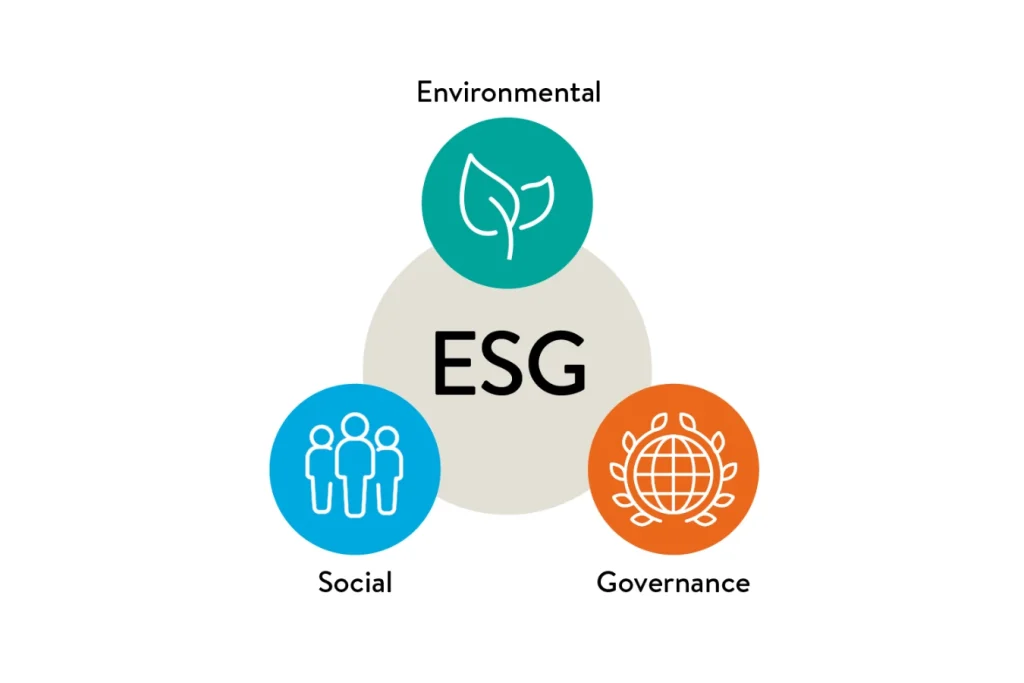
Understanding the Three Pillars of ESG in Malaysia
To understand how ESG in Malaysia affects property decisions, it is essential to examine each pillar and its implications.
Environmental (E)
The environmental pillar focuses on how organisations manage their impact on natural resources and climate risks. In Malaysia, this includes:
- Carbon emissions and energy efficiency
- Water management and waste reduction
- Green building design and climate resilience
For property developers, environmental compliance increasingly determines access to green financing, planning approvals, and tenant demand. Energy-efficient buildings and sustainable infrastructure are no longer optional, they are becoming market expectations.
Social (S)
- Fair labour practices and worker welfare
- Workplace safety and diversity
- Community engagement and social impact
In real estate, social considerations influence development approvals, community acceptance, and long-term asset viability. Projects that integrate inclusive design, worker safety, and community needs tend to face fewer regulatory and reputational risks.
Governance (G)
Governance forms the backbone of ESG, ensuring accountability and ethical business practices. Key elements include:
- Board oversight and diversity
- Anti-corruption measures (aligned with MACC requirements)
- Transparency, disclosures, and shareholder rights
Strong governance reduces legal, financial, and reputational risks. A critical factor for property developers managing large capital investments and long project lifecycles.

How ESG in Malaysia Is Reshaping Property Decisions
ESG in Malaysia is increasingly influencing how property assets are developed, valued, and transacted.
Investors are prioritising ESG-ready assets that demonstrate regulatory compliance, sustainability credentials, and long-term resilience. Buildings with green certifications, strong governance structures, and positive social impact are more attractive to institutional capital and multinational tenants.
At the same time, financial institutions are integrating ESG risk assessments into lending criteria. Property projects that fail to meet sustainability benchmarks may face higher financing costs or reduced access to capital.
ESG Adoption Among Malaysian Developers and SMEs
One notable trend in ESG in Malaysia is the growing participation of small and medium enterprises (SMEs). ESG adoption is no longer limited to large corporations.
Government initiatives such as the DIAF-ESG Grant provide financial reimbursement for ESG-related expenses, encouraging wider participation across the property value chain.
Many developers and contractors are now adopting ESG frameworks not just for compliance, but as a commercial strategy, improving operational efficiency, reducing long-term risks, and enhancing market positioning.

Why ESG Matters for Long-Term Property Value
From an investment perspective, ESG in Malaysia is closely linked to long-term property performance.
Strong ESG practices are often associated with:
- Better access to green and sustainable financing
- Lower regulatory and compliance risks
- Higher tenant retention and occupancy rates
- Improved exit valuations
As climate risks, governance scrutiny, and social expectations intensify, ESG-aligned properties are better positioned to remain competitive in Malaysia’s evolving real estate market.
In Conclusion, ESG in Malaysia is a Strategic Advantage
In essence, ESG in Malaysia represents a national shift toward sustainable, responsible, and profitable business models. For the property sector, ESG is no longer a future consideration but is a present-day necessity.
Developers, investors, and property owners who align early with ESG in Malaysia standards are more likely to secure financing, attract quality tenants, and future-proof their assets against regulatory and market changes.